Quiet scenes transform chaotic in seconds. A fall in a manufacturing facility, an accumulate at dusk, a farm injury miles from the local emergency situation department. Initial -responders reside in that pivot in between situation and control, and pain administration sits right at the facility of it. The PUAEME008 give pain administration system gives responders a practical structure to minimize suffering, make it possible for more secure extrication, and established much better downstream care. It is not regarding transforming paramedics or emergency workers right into discomfort specialists. It is about safe, timely, repeatable care under stress, with the paperwork and clinical reasoning to back it.
I have actually taught and evaluated this device across city and regional services, and I have enjoyed crews use it in confined shower rooms, on crushed rock shoulders, and inside loud factories where eye contact matters greater than machines. The most effective specialists blend technical ability with quiet management. They utilize the assessment to guide the analgesia, not vice versa. And they never forget the basics: peace of mind, placing, splinting, and the appropriate words at the right time.
Where PUAEME008 fits in the genuine world
PUAEME008, frequently entitled Supply discomfort administration, is designed for personnel that provide frontline care as component of emergency reaction procedures. It frequently shows up alongside wider prehospital certifications and workplace very first -responder functions. Organisations use it to credential personnel for analgesic choices enabled under neighborhood professional administration, generally within a medicine treatment procedure, standing order, or handed over technique model.

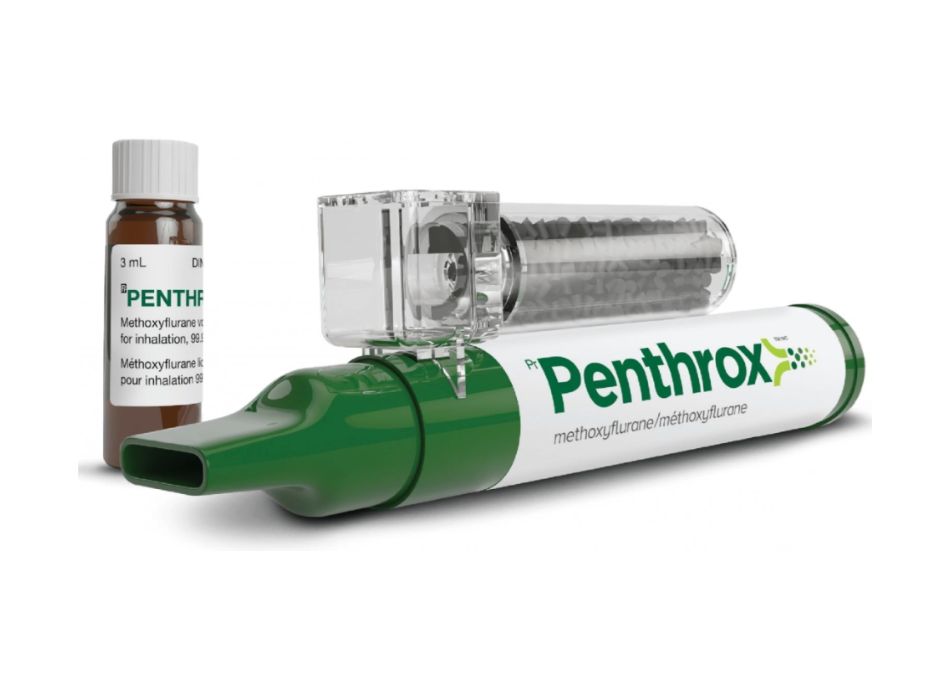
The intent is not elegant. It shows sound pain assessment, non medicinal methods, and the safe management of authorized anesthetics such as breathed in methoxyflurane, dental paracetamol and ibuprofen combinations, or oral transmucosal choices where permitted. Providers with advanced ranges may layer other drugs ahead via different endorsements, however PUAEME008 covers the structure: analyze, pick, deliver, check, document, and hand over.
Pain administration training courses built around this unit bring a clear objective. Minimize the person's distress while preserving safety for the team, after that provide a coherent handover that assists the next clinician proceed care without missing essential risks. A great program surpasses tick box proficiency, pairing circumstance realistic look with a firm grip on risk controls like allergies, contraindications, and transformed psychological status.
Why the basics still matter
The toughest temptation after a terrible injury is to grab the medication first. When I mentor brand-new responders, I remind them that anesthetics magnify good standard care and mask inadequate care. Immobilisation, splinting, extra padding bony prominences, and gentle repositioning can pull an individual's pain score down by two or three points prior to a single inhalation or tablet computer. For rib cracks, showing a person to time their breathing with support and hug a pillow during coughing can suggest the difference in between a useless gasping cycle and usable breaths with less fear.
A structured discomfort evaluation anchors these decisions. Several services utilize a numerical rating range from 0 to 10, or a faces range for those with interaction obstacles. Those numbers are not decorative. They notify dose choices and offer a quantifiable action in time, which matters for person safety and for audit. The most effective -responders check more than the number. They watch the jaw set, the grip on the stretcher rail, the cadence of speech. PUAEME008 emphasises this combined assessment.
What a common PUAEME008 supply discomfort administration training course covers
Training service providers package the device in various means, but several columns appear reliably. Expect a mix of pre analysis, class conversation, skills terminals, and circumstance work. Evaluation usually includes written knowledge checks, skill demos, and observation during practical situations with time pressure and onlooker noise.
- Core topics typically consist of discomfort physiology, assessment tools, warnings that require acceleration, non medicinal strategies like immobilisation and warmth or cool, pharmacology within the enabled scope, dosing and contraindications, side effect administration, and paperwork standards. Scenario style drives retention. Good facilitators build situations that examine judgment, not rote memory. A shoulder dislocation on a football pitch needs different positioning and client coaching than a substance tib fib fracture entraped under equipment. The pharmacology may be the exact same, but the path, timing, and scene manage differ.
Providers that aim for deepness add simulation with low fidelity manikins and human actors. They require teams to take care of distractions: a family member that demands transportation now, a language obstacle that reduces assessment, or a sudden drop in high blood pressure that alters the plan. This is where -responders discover to weigh advantages and dangers in actual time.
What counts as secure analgesia in the prehospital setting
The exact formulary will depend on territory and organisational policy. A PUAEME008 lined up pain monitoring certificate course generally legitimises a little collection of well comprehended options with durable safety margins. In many Australian and New Zealand contexts, breathed in methoxyflurane is common for moderate to extreme pain, with rigorous dose limitations per patient and time intervals. Dental paracetamol and advil, used together when proper, cover mild to moderate pain. Some solutions recommend oral opioids or oral transmucosal representatives for certain scenarios, yet that usually beings in an extended extent credential and needs tighter oversight.

This is not an extensive list, and there is no universal rulebook. The point for learners is to understand the concepts that control these medications: indication, contraindication, dosage, course, and the demand for continual tracking. The medication is a tool, not a solution. A splinted femur clears up much faster with analgesia, yet an inadequately used grip splint will certainly defeat the best dosing plan.
How very first -responders make decisions under pressure
The finest training duplicates the decision tree you will deal with at two in the morning on a wet shoulder. Begin with safety and security and respiratory tract, breathing, blood circulation. If the client is steady and the main study is unremarkable, move into focused assessment and pain racking up. Recognize modifiable sources of pain: setting, stress, movement. Apply splints, cushioning, or gentle repositioning before and during analgesia. Validate allergic reactions and previous responses, check for maternity when appropriate, take into consideration comorbidities like kidney condition that might leave out specific medicines, and constantly assess what the client already took.
If analgesia is suggested and within your scope, provide it with quality and timing. Reassess at predictable periods, usually within a few mins for inhaled agents and a bit longer for dental medicines. Paper what you saw and what changed, not simply the milligrams or milliliters. An autumn in the score from eight to 5 matters a lot more when paired with improved breathing pattern and relaxed posture.
Real scenes and the judgment they demand
A roadside ankle joint crack appears simple up until the person's history reveals persistent kidney disease, which makes NSAIDs a bad option, and a previous damaging reaction to methoxyflurane. This situation presses -responders to lean on splinting, positioning, cold treatment if offered and allowed, and thoroughly titrated choices if within scope. The lesson lands promptly: easy procedures have side situations. PUAEME008 supply pain management anticipates you to notice those edges and rise early, whether by asking for higher degree support or changing the plan.
Another situation: a rugby gamer with a shoulder dislocation and noticeable distress. The temptation is to coach prompt self decrease, but the atmosphere is disorderly and the patient has a presumed clavicle fracture too. A calm -responder moves the professional athlete to a much safer setting, sustains the limb, supplies breathed in analgesia if within scope, and waits for extra crew. Rush a reduction in the incorrect setting, and you can turn workable pain into a neurovascular compromise. The system's focus on scene control and individual focused treatment ends up being useful, not theoretical.
Documentation and handover as part of the treatment
Pain monitoring programs for nurses and for initial -responders often underplay one detail that matters to downstream treatment. Your notes and spoken handover are a direct extension of your therapy. PUAEME008 locations clear importance on videotaping evaluation searchings for, pain ratings with time, what you provided and why, any type of negative effects, and what non medicinal actions you took. When an emergency situation department registered nurse receives a patient with a coherent story and clear timings, they can proceed the analgesic strategy without guesswork.
The handover must be brief and organized, however not robotic. Start with the system of injury and instant risks omitted, after that relocate right into the pain story. Consist of the patient's words when feasible. Medical professionals keep in mind quotes far better than numbers, and the quotes commonly hold the scientific pearl.
Risk controls that separate solid practice from careless practice
Analgesia is not benign, also when well endured. The practical dangers in prehospital treatment are predictable and Browse around this site manageable: oversedation in sickly clients, masking of advancing abdominal pathology, communications with alcohol or recreational drugs, allergies, and operational hazards like delivering medication during patient activity. Training course facilitators who show these risks with individual stories, not just PowerPoint checklists, see much better retention.
Two behaviors help continually. First, reassess systematically. If you can not gauge a breathing rate since the scene is busy, make it a concern as soon as you can. Second, utilize time supports. Say aloud to your partner when you carry out a dosage and when you prepare to reassess. Team culture develops from these tiny techniques, and they decrease damaging events.
Who benefits from a pain administration certificate
The target market is more comprehensive than rescue solutions. Industrial emergency situation groups, mine site paramedics, remote location medical professionals, and occasion medical staffs frequently seek a pain monitoring certification training course to standardise technique throughout combined experience levels. For clinicians with an existing registration, such as nurses and physiotherapists, the worth depends on the prehospital slant: marginal equipment, variable lights, and no back-up for fifteen minutes or more. Discomfort monitoring training for registered nurses who operate in retrieval, rural clinics, or telehealth triage can sharpen decision making regarding when to intensify and just how to trainer on secure self management until aid shows up. Discomfort administration courses for physio therapists commonly focus on bone and joint assessment and non drug strategies, yet numerous physios on sporting activities fields or in remote programs still require experience with procedure driven analgesia, particularly breathed in options if allowed by their service.
Short courses in pain monitoring vary. Some are purely pharmacology updates, others are hands on situation days aligned to PUAEME008 offer pain monitoring. If you are selecting a certificate course hurting management, look past the brochure. Ask the amount of situations you will run, how they assess non medicinal care, and whether they include negative event drills. A rigorous program will certainly place you via awkward moments intentionally, then train you through them.
The interplay in between empathy and efficiency
Pain is personal. 2 people with similar fractures can offer extremely in a different way. The loudest patient is not always in the most discomfort, and the silent one may remain in shock or culturally inclined to underrate distress. Reliable discomfort management training courses educate -responders to review past the decibels. They encourage expressions that convey agency and safety and security: You are in control of the breathing. Pause when you require to. Here is what I am doing and why. Regard and rapport reduced stress and anxiety, and anxiety is a multiplier of pain.
At the very same time, scenes demand activity. The art is to relocate with the person, not around them. When you splint, narrate your actions. When you rearrange, invite the individual to help if it is safe. Clear communication reduces muscular tissue protecting and makes analgesics extra effective.
Building capability in teams, not only individuals
Organisations that treat PUAEME008 as a box to tick miss the payoff that originates from group drills. Discomfort administration is a choreography. One responder leads the analysis. Another sets up the drug, checks the dose, and prepares the surveillance. A 3rd controls the setting, silences the group, holds traction, or readjusts the splint. During handover, the team uses a shared mental version so information do not vaporize. This is how you avoid replicate application or missed contraindications when crews turn mid shift.
Leaders can hardwire this by developing small routines. The dosage cross check talked aloud. The dual confirmation of allergies. The reset sentence before an unpleasant move: We are mosting likely to raise your leg now, you can make use of the mouth piece as needed. Straightforward phrases conserve pain when lights and alarms compete for attention.
How training service providers examine competence
Assessment must seem like a final gown practice session, not an exam trap. Excellent assessors do three points. They established clear criteria prior to the circumstance. They view the decision making, not just the checklists. And they provide responses that ties straight to individual end results. If you misread a contraindication, they do not just note a box. They repaint the picture of what can have taken place and reveal you the safer path.
The PUAEME008 system generally requires demo of secure method across multiple presentations, documents of each, and an expertise part that covers drug accounts and lawful duties. Assessment might include simulated negative events, such as nausea or hypotension after analgesia, to check your tracking and escalation.
Legal and administration realities you have to respect
Pain monitoring programs do not grant carte blanche. Your capability to administer details analgesics hinges on local regulations, organisational protocols, and the authority under which you practice. In numerous systems, that authority is a standing order or medication therapy method. You have to follow storage space and handling demands, keep stock control, and record wastefulness. Some medications have rigorous age restrictions, total dosage ceilings per occasion, or needed carbon monoxide keeping an eye on such as pulse oximetry. PUAEME008 consists of these governance threads so responders do not drift into well meant but risky habits.
Documentation is not simply for the client chart. Provider audit pain ratings and time to analgesia to boost care. When you tape properly, you add to that high quality loop. When you fudge times or skip reviews, you poison the information and hold-up improvements for everyone.
The role of non medicinal techniques
I keep circling back to this because it changes end results. Splinting done well transforms a scene. Use a vacuum splint that molds carefully and stays clear of pressure factors. Pad gaps. Re check distal perfusion after application. For burns, cool down the burn, warm up the patient. Teach paced breathing, and enjoy just how it lowers the heart rate as the individual gains control. Take into consideration ice bags for acute strains if allowed. For pain in the back, little adjustments in leg setting can produce big alleviation, specifically when you position assistances under the knees or ankle joints to clear up the pelvis.
These strategies do not require a medicine graph, and they bring nearly no risk when done attentively. They also build relationship, which makes subsequent analgesic administration smoother.
Selecting the best discomfort administration training courses for your context
The market is crowded. An attentive coordinator must search for a number of signals before enrolling teams.
- Alignment to PUAEME008 with explicit mapping, plus local protocols and formulary combination so learners practice what they will really use. Experienced facilitators with road time or rural access direct exposure that can review edge instances, not just price quote manuals. Scenario heavy distribution with different devices of injury, communication challenges, and environmental constraints that mirror your regular calls. Assessment rigor that consists of adverse event drills, documents evaluation, and proof based comments, preferably with adhere to up coaching. Practical logistics training on storage, stock control, expiration tracking, and cool chain where pertinent, so the system services Monday morning, not simply in the classroom.
Courses that satisfy these marks often tend to produce specialists that are tranquil under stress, consistent in their documentation, and reliable during interprofessional handovers.
Where this converges with expert development for clinicians
For registered clinicians, a pain monitoring qualification can count toward continuing professional growth. Nurses working in urgent treatment, retrieval, or occasion medicine can use a discomfort administration certificate to formalise abilities that they may currently exercise informally. The exact same applies to physiotherapists that run within multidisciplinary teams at sports events or in remote programs. Pain management courses for physiotherapists normally put a lot more weight on analysis and movement strategies, yet exposure to protocolised analgesia sharpens their capacity to work together with paramedics and registered nurses in the field.
A certificate course suffering monitoring also aids leaders create a typical language throughout duties. When everyone utilizes the exact same pain scales, review timings, and handover layout, individuals relocate more efficiently with the system.
What great looks like on the street
A team gets to a stockroom for a crush injury to the lower arm. They discover a sharp individual with severe discomfort and pale, cool fingers. The group leader designates roles. One -responder controls the arm or leg and coaches breathing. One more prepares inhaled analgesia within the protocol, validates allergic reactions, and clarifies what to anticipate. They splint in the position of function, elevate somewhat, and reassess perfusion. The pain score drops from 9 to six within minutes. They document times, dosages, and feedbacks, and they inform the obtaining center to the device and concern for area disorder. On handover, the ED nurse listens to a clear, succinct narrative with the client's own words consisted of. That is PUAEME008 done well. Not heroic, just competent and kind.
Final ideas for those picking or showing PUAEME008
Whether you are putting together a discomfort administration training program for a big service or trying to find a single discomfort administration course to complete your abilities, the objective coincides. Develop a behavior of structured analysis. Set non medicinal treatment with secure, method driven analgesia. Reassess and record with technique. Treat the handover as the last dosage of care. When those practices take root, emergency situation pain administration becomes predictable in the best method, even when the scene is anything but.
If you want a single metric to provide pain management course track after training, choice time to initial significant discomfort relief, not just time to first medicine. That pushes crews to act with splints, placing, and training while the pharmacology catches up. It additionally appreciates the truth that clients feel what we do long prior to they remember what we gave.
Pain administration training courses, particularly those aligned to PUAEME008 provide discomfort monitoring, give initial -responders the tool kit and the judgment to use it. The certification is the paper. The technique is the point.